
News

A new spotlight from the UCLA newsroom highlights Co-Executive Director Adriana Galván’s inspirational career as a dean, educator, leader, and advocate, and explores how and why her work is guided by developmental science and neuroscience. “The ethos of the CDA, and my work as dean and vice provost are rooted in a relatively simple belief that adolescence is a pivotal period of opportunity to shape positive outcomes for all young people,” said Galván.

NSCA member Candice Odgers and NSCA affiliate Jacqueline Nesi were quoted in a New York Times article discussing the recent Meta settlement over claims that Meta’s platforms had harmed young users due to the addictive nature of their designs. “There’s a desire to say with this kind of verdict and these kinds of changes, ‘This is going to solve the problem — this is going to protect teens’ mental health,’” said Nesi, but she warned that this settlement implies social media is the primary driver of mental health issues in young people, and that “is just not supported with the research.” Odgers was optimistic that this settlement might force Meta to design its social media platforms in a way that would make them safer for young users, which has long been recommended, but warned that unless ‘the whole industry gets on board, young people can simply migrate to other platforms.’

Chattanooga 2.0 has announced Thriving Adolescence, its newest Big Bet and a long-term community commitment to creating the conditions young people need to develop, explore their interests, build strong relationships, and pursue their futures. The Big Bet was introduced during the Chattanooga-Hamilton County Adolescent Development Learning Series, a two-day gathering hosted Aug. 26-27 by Chattanooga 2.0 in partnership with the Benwood Foundation, City of East Ridge, and UCLA Center for the Developing Adolescent. Thriving Adolescence focuses community attention on a pivotal stage of development that shapes later education, career, and life outcomes.

Along with Annie E. Casey Foundation’s President and CEO Lisa Lawson, our Co-Executive Director Andrew Fuligni spoke to legislators at the National Conference of State Legislators’ biennial Youth and Young Adult Policy Forum about how adolescence is a time of immense opportunity where the right policies and programs can help set up our young people for lifelong success.
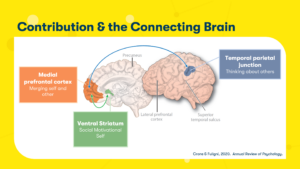
At a recent convening hosted by Stanford’s Gardner Center, our Co-Executive Director Andrew Fuligni shared insights from adolescent development with educators and advocates to help inform effective high school reform that aims to improve the educational experience and outcomes for California students in alternative schools. “Equally important is giving young people meaningful opportunities to contribute — to their families, schools, peers, and communities — in ways that help them understand their value and impact,” said Fuligni.