
News

NSCA member Candice Odgers was quoted in a New York Times article about the new screen time warning issued by the Surgeon General. Although the warning linked excessive time online to worse sleep issues, anxiety, depression, alcohol use, and other health harms, experts say the research is more nuanced. “Much of the existing research does not suggest that social media use is a major predictor of whether a child will develop mental health issues,” said Candice. Rather, she said, “it suggests that children who are already struggling with mental health or other issues are more likely to spend time online.”
In this video, our co-executive directors, Andrew J. Fuligni and Adriana Galván, explore “The Opportunity of Adolescence” and share the science behind why adolescence is an important window of opportunity and plasticity where investments and science-informed supports can help set our young people up for thriving futures.
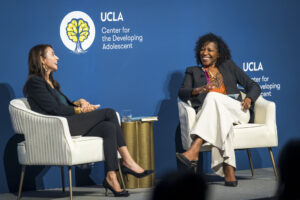
In a new episode of the podcast CaseyCast, Annie E. Casey Foundation President and CEO Lisa Lawson and CDA’s co-executive director Adriana Galván discuss how to better support young people as they navigate the path to adulthood. This podcast episode is adapted from a fireside chat that took place at the 2026 Adolescent Brain Development Summit.
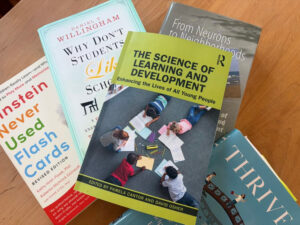
The UCLA Center for the Developing Adolescent was cited in a New America article highlighting organizations and research that have supported the National Commission on Learning Ecosystems’ understanding of adolescent development and how to build strong, interconnected ecosystems that support young people. The National Commission on Learning Ecosystems is a two-year initiative, announced in February 2026, that focuses on making stronger connections between U.S. public schools and out-of-school programs.
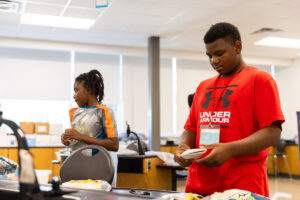
The Wallace Foundation interviews CDA’s Co-Executive Director Adriana Galvan for an article on how adolescent brain development shapes risk-taking and learning, and why relationships, exploration, and access to out-of-school-time opportunities matter for developing adolescents.