
Part of our work at the UCLA Center for the Developing Adolescent is to change how our society talks about adolescence to better reflect the remarkable growth, learning, and connection that occur during this period in development. By changing the public narrative around adolescence to reflect the opportunity of these years, we can promote a more accurate understanding of adolescence and incentivize support and investment during this critical period of development.
We do this by communicating the science of adolescent brain and social development to challenge stereotypes and misperceptions and by reframing adolescence as a period of opportunity, when research-based supports and interventions have the potential to make huge impacts on young people and their future trajectories.
From Risk to Opportunity: Framing Adolescence and Adolescent Development
We have worked closely with FrameWorks Institute to find proven ways to communicate the science adolescent development in ways that more effectively convey the importance and opportunity of these years. The following resources from FrameWorks, created in collaboration with CDA, offer strategies for talking about adolescents and adolescent development in a more productive and accurate way.
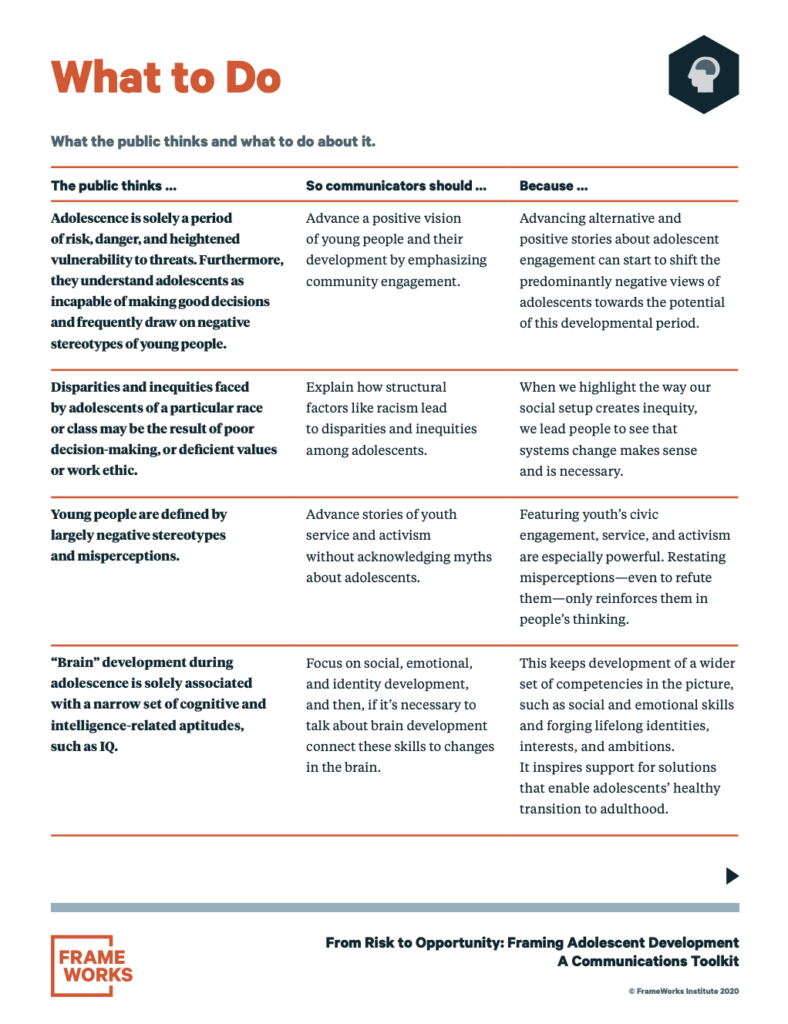
This resource describes what the public thinks about adolescents and adolescent development, and what communicators can say to shift public understanding to better reflect the science.
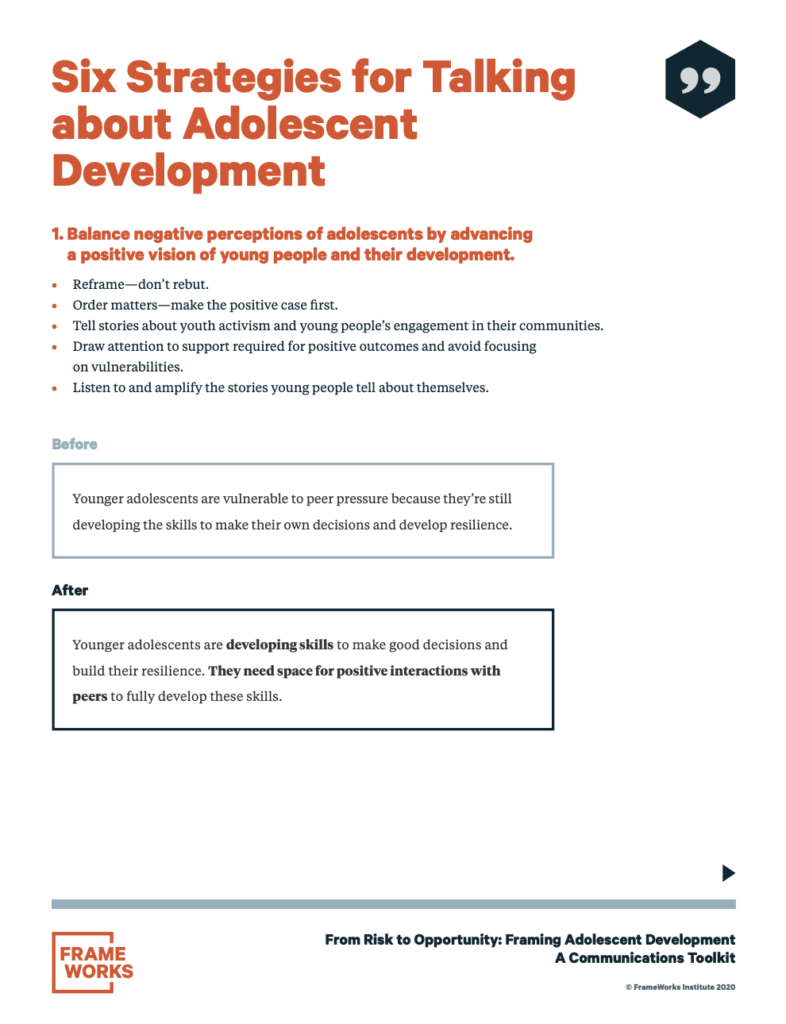
This resource outlines six strategies for effectively communicating about adolescent development.
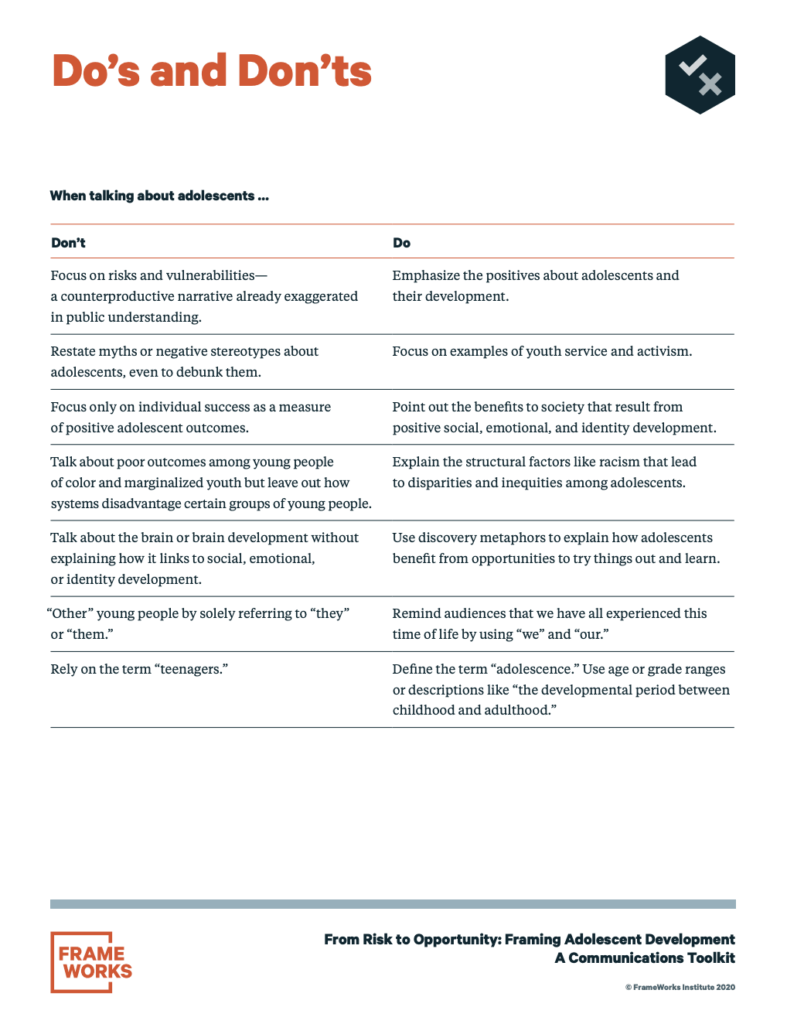
This resource provides guidance on what to do—and what not to do—to navigate around unhelpful assumptions and mindsets about adolescence.
From 10 to 25: A Game of Adolescent Discovery
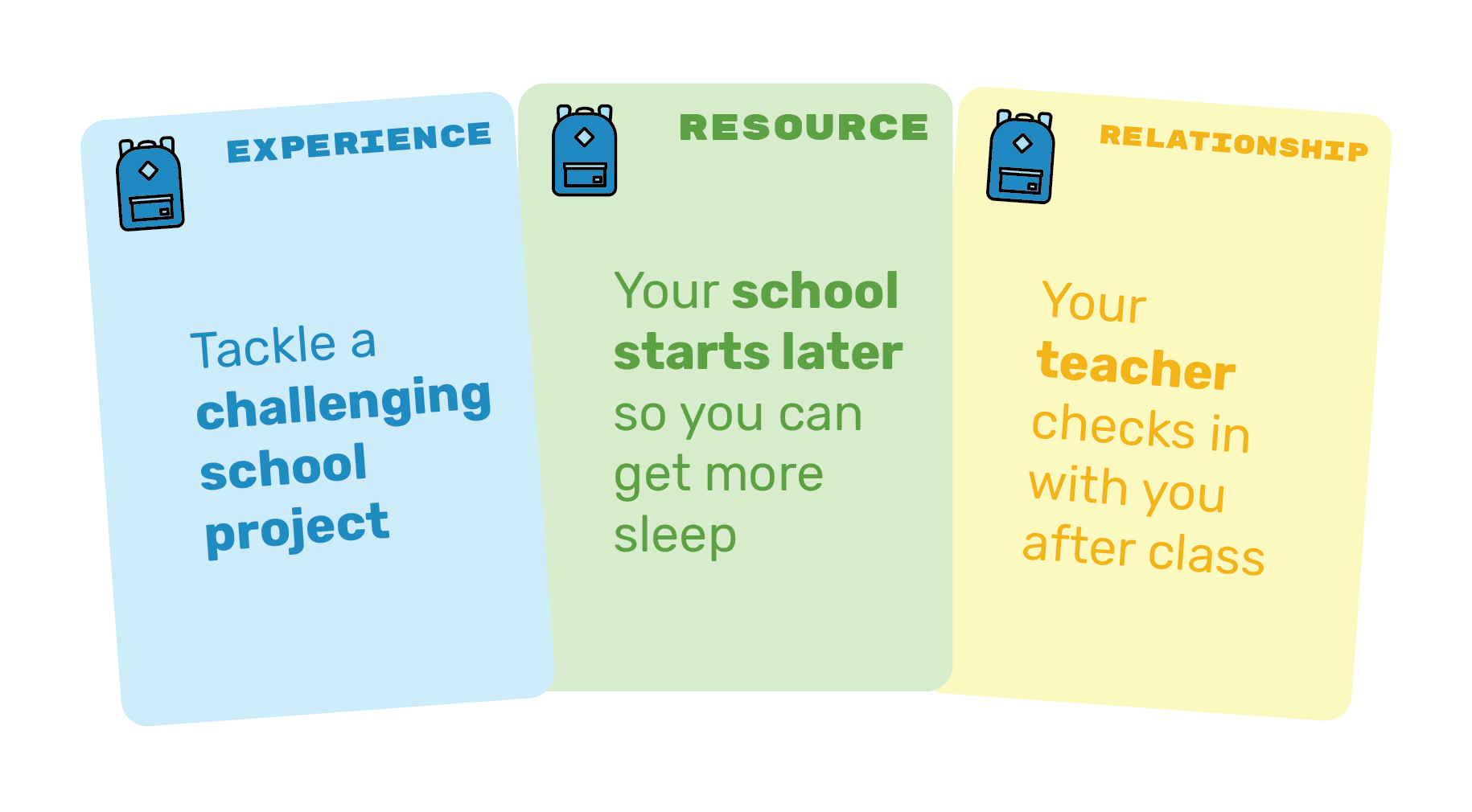
In collaboration with FrameWorks Institute, we created From 10 to 25, a collaborative storytelling card game about adolescent discovery, designed to be played by adults who have influence on the lives of young people.
This game that aims to increase adults’ understanding of the period of adolescence. Players take on the role of a young person making their way through adolescence, combining life experiences with relationships and resources to lay their path to adulthood.
The game is a fun way to build understanding of what adolescence is, why it’s such an important time, and what young people need to do well on the journey to adulthood
Downloads
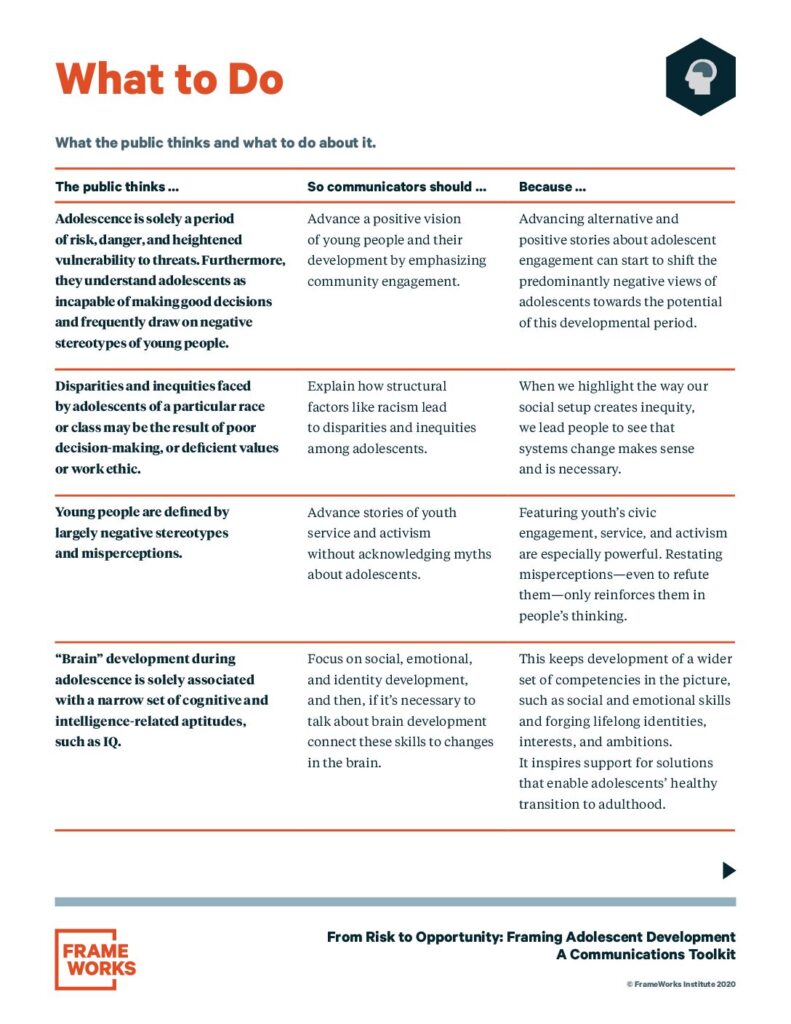
What the public thinks and what to do about it
View PDF: What the public thinks and what to do about it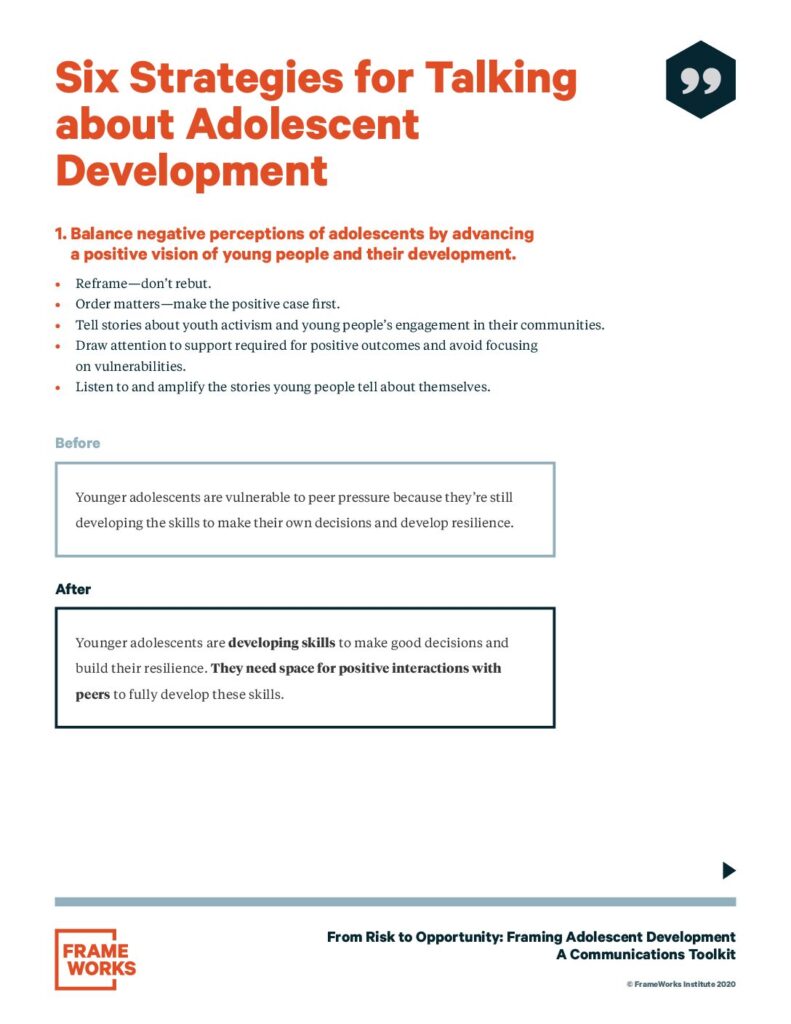
Six strategies for talking about adolescent Development
View PDF: Six strategies for talking about adolescent Development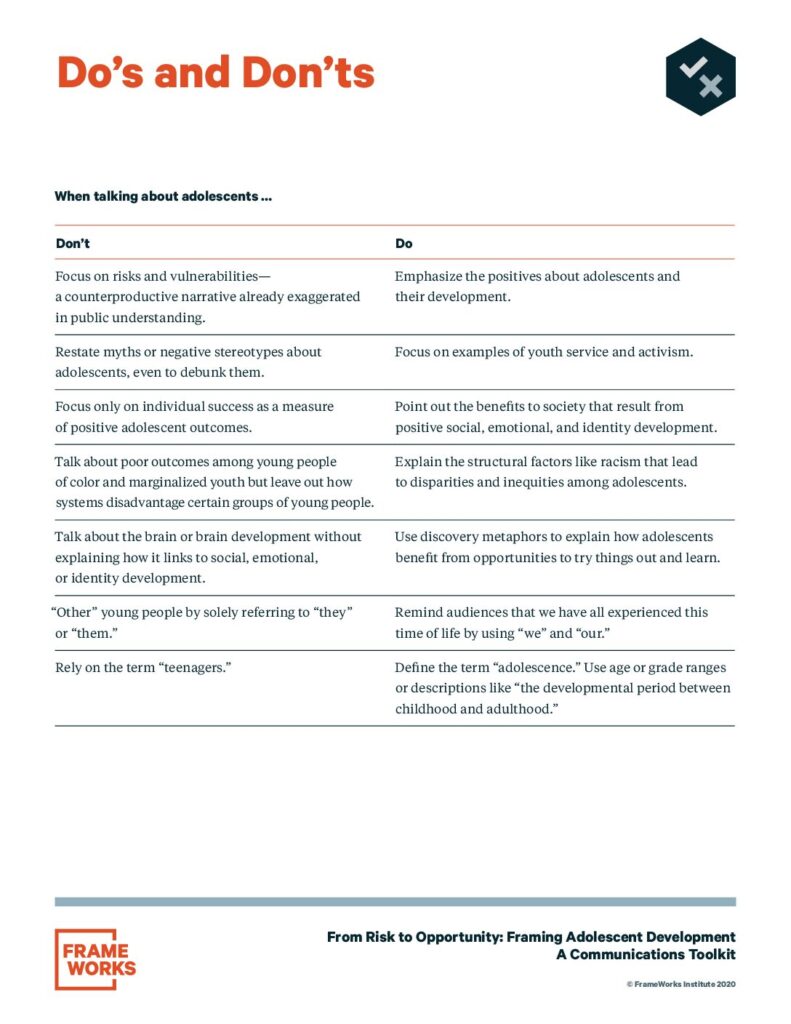
'Do's and Don'ts' when talking about adolescents
View PDF: 'Do's and Don'ts' when talking about adolescents
This framing, communications guidance, and toolkit were developed in partnership with FrameWorks Institute. Learn more on their website.